
Finishes Built for Altitude and Weather
Exterior painting in Aspen for homes showing peeling, fading, or surface failure from freeze-thaw exposure
Marquez Maintenance LLC provides exterior painting for residential and commercial properties in Aspen, covering everything from surface preparation through final coat application. Homes at this elevation face a combination of problems that paint at lower altitudes simply doesn't encounter: ultraviolet radiation is measurably more intense above 8,000 feet, and freeze-thaw cycles can breach a finish that performs perfectly in milder climates. Property owners dealing with peeling edges, chalking surfaces, or visible wood grain showing through faded paint are seeing the direct result of those conditions working against an inadequately prepared or underspecified exterior finish.
The painting process begins with thorough prep work, which in this region means addressing existing paint failure, cleaning mineral deposits left by snowmelt runoff, and applying primers formulated to bond in lower-temperature conditions. Multi-coat application follows, with each coat evaluated for coverage and adhesion before the next is applied. Scheduling is coordinated around Aspen's compressed application windows—coating during temperature swings or humidity spikes from afternoon storms compromises adhesion at the molecular level, so timing is a deliberate decision, not a convenience.
Request an on-site estimate to assess your current exterior condition and identify which surfaces need preparation before any coating begins.
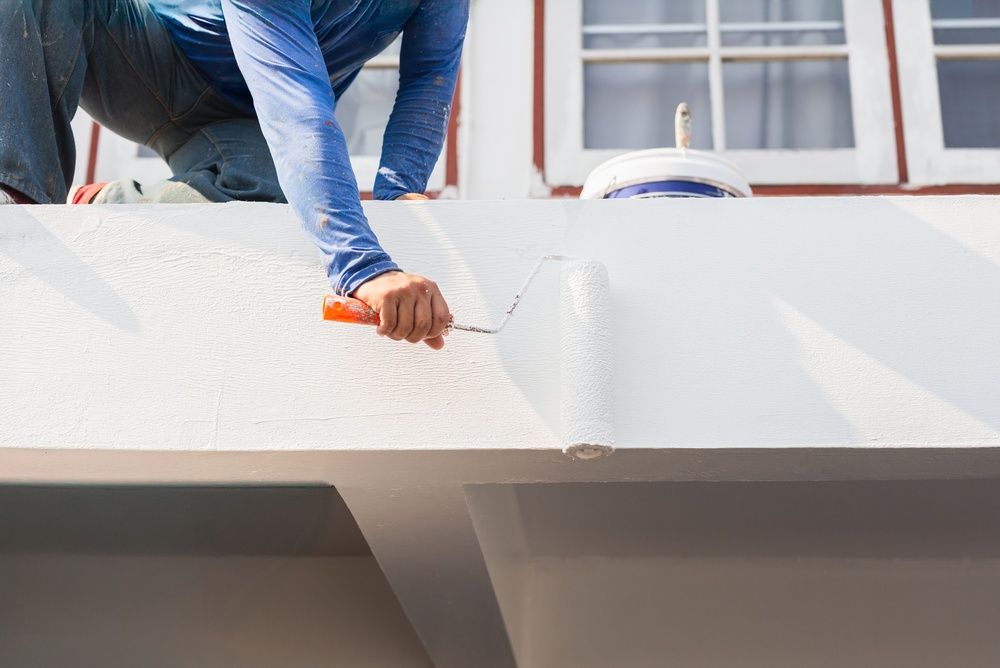
What Proper Exterior Painting Requires at Elevation
Exterior painting at altitude requires different decisions than standard residential work. Lower atmospheric pressure affects how coatings spread and cure, which means application technique and product selection both matter more than in flatland conditions. Marquez Maintenance selects finishes rated for high-UV environments and coordinates application timing with seasonal property maintenance schedules, including snow removal, so that access to all elevations of the structure is factored into the project plan from the start.
Once the work is complete, the most immediate observable change is surface uniformity—no visible brush lines, lap marks, or thin spots where previous color bleeds through. Over the following weeks, the practical result is a finish that doesn't chalk or lift at corner edges when temperatures drop sharply overnight, which is the failure pattern most common on Aspen properties that were painted without altitude-appropriate preparation.
The scope of exterior painting work varies depending on substrate type—wood siding, stucco, and composite materials each require different prep sequences and primer chemistry.
Properties in Snowmass Village, Basalt, Carbondale, and Glenwood Springs are included in the service area, and Marquez Maintenance
integrates painting work into broader seasonal property care programs when clients manage multiple maintenance needs under a single schedule.
Common Questions About Exterior Painting
Property owners in the Aspen area frequently ask about timing, surface preparation, and what distinguishes a finish that holds from one that fails within a season or two. The questions below address the most common points of confusion.
What is the best time of year to paint exterior surfaces in Aspen?
The application window in Aspen is narrower than most mountain communities—late spring through early fall offers the most reliable temperature and humidity conditions, but afternoon thunderstorm patterns in July and August require daily scheduling flexibility to avoid applying coatings during moisture events.
How does freeze-thaw cycling affect exterior paint?
Water infiltrates micro-cracks in an existing finish, expands when it freezes, and forces the coating away from the substrate—this is why peeling often appears suddenly after winter rather than gradually, and why surface prep that seals those entry points is the most critical phase of any exterior painting project.
What surfaces does exterior painting typically cover?
Exterior painting applies to wood siding, fascia boards, window trim, stucco, doors, and gutters depending on material; composite and metal surfaces may require specialty primers that differ from what standard wood preparation uses.
Why does UV exposure at altitude cause paint to fail faster?
At Aspen's elevation, UV radiation intensity increases by roughly ten percent for every thousand feet above sea level compared to lower elevations, which accelerates pigment breakdown and causes chalking—finishes used here need higher UV inhibitor ratings than products marketed for general residential use.
How is exterior painting coordinated with other property maintenance work?
Marquez Maintenance schedules painting alongside snow removal and seasonal maintenance tasks, which prevents scheduling conflicts that leave properties mid-project when conditions change or other maintenance priorities require access to the same areas.
Marquez Maintenance LLC serves properties across Aspen and the surrounding communities, and painting projects are planned with the local climate and property access conditions built into the schedule from the initial consultation. Call (970) 456-5100 to arrange a property walkthrough and discuss which surfaces need priority attention before the next seasonal window opens.