
Surfaces Cleaned Down to the Substrate
Pressure washing in Aspen for driveways, decks, and siding carrying mineral deposits, algae, or embedded elevation dust
Mineral-heavy snowmelt runoff, high-elevation particulate dust, and algae growth on north-facing and shaded surfaces create a specific cleaning problem that standard consumer-grade equipment doesn't resolve. These aren't cosmetic issues that rinse away with a garden hose—mineral deposits bond to concrete and masonry, algae roots penetrate surface pores on decking and siding, and the fine silica dust common at elevation works into texture gaps where it hardens over time. Marquez Maintenance LLC addresses these conditions through professional pressure washing for residential and commercial properties in Aspen and surrounding communities, using adjustable pressure settings matched to each surface type rather than a single high-force approach that risks damaging wood grain or stripping sealants.
The cleaning process is calibrated differently for each surface. Concrete driveways and commercial facades tolerate higher pressure and benefit from pre-treatment with agents that break down mineral bonding before the wash pass. Decks and wood siding require significantly lower pressure combined with appropriate dwell time for cleaning solution to lift biological growth without forcing water into the wood fiber. These aren't interchangeable settings—using driveway-level pressure on a cedar deck produces surface damage that accelerates weathering rather than cleaning it.
Schedule a property walkthrough to identify which surfaces need cleaning attention and what approach is appropriate for each material type.
How Pressure Washing Addresses Elevation-Specific Buildup
At Aspen's elevation, snowmelt carries dissolved minerals from the surrounding geology across driveways, walkways, and foundation areas as it runs off, leaving white calcium and iron deposits that etch into porous surfaces over successive seasons. Algae growth concentrates on north-facing walls, deck undersides, and any surface that stays shaded long enough to retain moisture after snowmelt—these patches become slip hazards on horizontal surfaces and accelerate wood and composite deterioration when left untreated. Professional pressure washing with correctly selected equipment removes both categories of buildup without the surface damage that comes from incorrect pressure application.
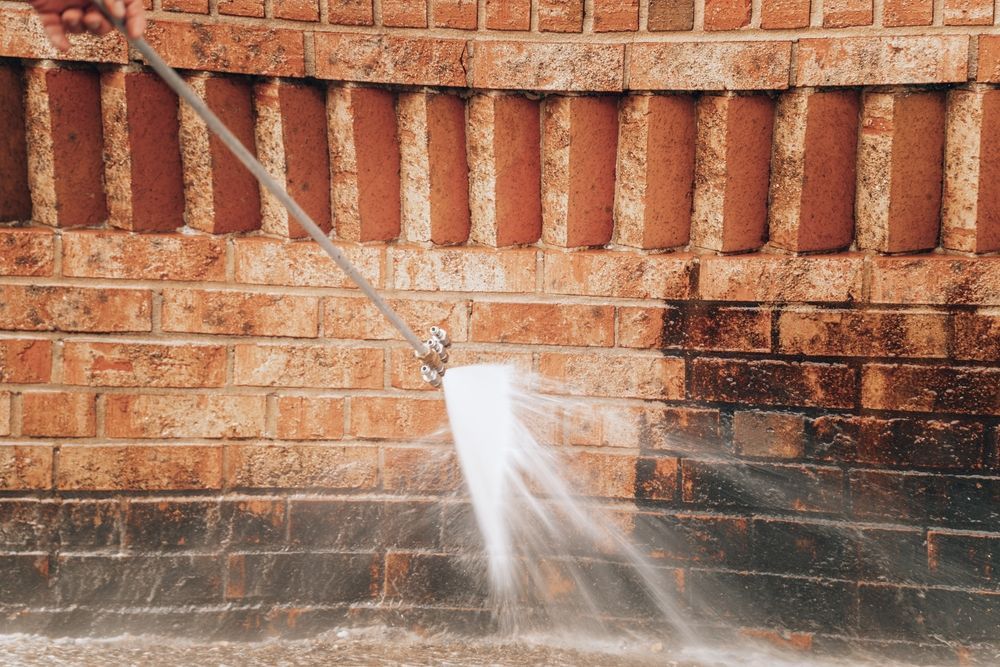
After cleaning, the visible change on concrete and paver surfaces is the restoration of original surface color and texture, with staining and mineral shadowing removed rather than diluted. On wood decking, the surface appears lighter and the wood grain becomes visible again, which is also the condition the surface needs to be in before any stain or sealant application can bond correctly. Siding and commercial facades show uniform color without the streaking pattern that algae and dust leave as they accumulate in vertical channels.
Pressure washing fits naturally into
seasonal property preparation—spring cleaning after snowmelt deposits have accumulated over winter, and pre-winter cleaning before freeze conditions return. Marquez Maintenance integrates pressure washing into broader property maintenance programs for clients in Snowmass Village, Basalt, Carbondale, and Glenwood Springs, coordinating the work alongside other seasonal services so surfaces are clean and ready before painting, sealing, or inspection appointments that follow.
What Property Owners Usually Ask
Pressure washing questions in the Aspen area often center on surface safety, seasonal timing, and the difference between equipment types—particularly for owners of older wood structures or high-value commercial storefronts where surface damage would be costly.
What pressure settings are safe for wood decking?
Wood decking is typically cleaned at 500 to 1,200 PSI depending on wood density and age, compared to 2,000 to 3,000 PSI for concrete—using concrete-level pressure on wood raises and splits grain fibers, which creates a rougher surface that traps moisture faster than the original condition.
How does snowmelt contribute to mineral staining on driveways?
As snowmelt moves across rock, soil, and road treatment materials before reaching a driveway surface, it picks up calcium carbonate, iron, and road salts that deposit and dry into a crystalline layer—these deposits require a pre-soak with a pH-appropriate cleaning agent before pressure application to break the mineral bond.
When is the right time to schedule pressure washing in Aspen?
Spring scheduling after the main snowmelt period—typically late April through early June—addresses the full season's accumulation before summer use of outdoor areas begins and before any painting or sealing work that requires a clean substrate.
Why does algae grow on shaded exterior surfaces at this elevation?
Higher moisture retention on north-facing surfaces combined with organic material from pine needles and bark creates ideal conditions for algae and lichen colonization, and at elevation the short growing season concentrates biological activity into a narrower window where growth establishes quickly.
What commercial surfaces does pressure washing cover?
Commercial pressure washing applies to building facades, loading areas, parking surfaces, entryways, and signage mounting areas—each surface type in a commercial context gets assessed for material composition before pressure and cleaning solution selection is finalized.
Marquez Maintenance LLC handles pressure washing for both residential homeowners and commercial property managers across Aspen and the surrounding region, with scheduling that accounts for seasonal access and surface-specific cleaning requirements. Call (970) 456-5100 to discuss your property's cleaning needs and confirm the right timing for your surfaces.