
Pruning Decisions That Protect Structural Integrity
Tree Trimming and Pruning in Aspen for trees carrying snow load on mountain slopes where improper cuts accelerate structural failure
Heavy snow accumulation on unpruned canopies is one of the most consistent sources of tree failure on Aspen-area properties. Limbs that carry excess weight through a storm cycle often split at the union, and once that structural damage occurs, the tree rarely recovers full stability. Marquez Maintenance LLC addresses this through professional tree trimming and pruning calibrated for the specific stress patterns that mountain-slope trees face throughout the year.
Each trimming engagement starts with a structural assessment of the tree—evaluating branch angles, canopy density, deadwood location, and any existing splits or decay. From there, selective pruning removes material that increases snow load and wind resistance without compromising the crown shape that keeps the tree stable. At high altitude, timing is a specific technical consideration: pruning too close to late spring exposes fresh cuts to frost events that can damage the cambium layer and introduce disease pathways. Debris removal and cleanup are included as part of the service, leaving the site clear after work is completed.
Arrange an on-site assessment to evaluate the current condition of trees on your property before the next snow season.
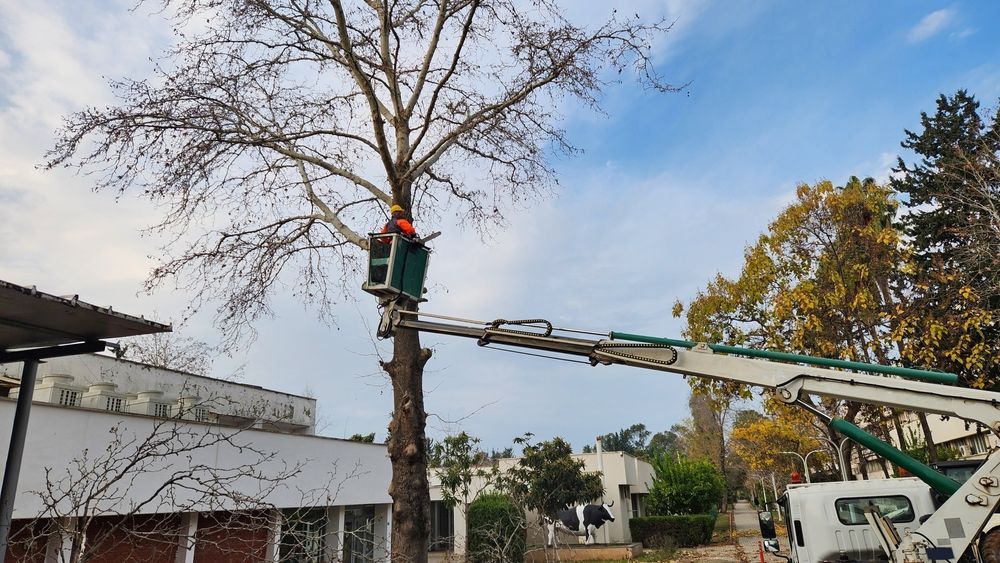
How Tree Pruning Addresses Snow Load and Wind Exposure
The pruning process involves more than removing visibly dead branches. Crown thinning—removing select interior branches to allow wind to pass through rather than push against the canopy—is a primary technique for trees on exposed Aspen-area properties where winter gusts compound the stress of snow accumulation. Air circulation improvements through the canopy also reduce fungal pressure, which is a common secondary issue in trees that have gone multiple seasons without structural attention.
After pruning is complete, the visible changes are measurable: the crown has defined structure, dead and crossing limbs are gone, and the tree's weight distribution is more balanced across its frame. Property owners also notice that the canopy no longer collects snow in the same concentrated pockets—particularly in multi-stemmed trees where tight co-dominant leaders previously channeled accumulation toward the base of the split.
Crown shaping for aesthetic reasons and selective pruning for safety are often performed in the same visit, but the priority order matters—structural concerns are addressed before aesthetic shaping to avoid cuts that would conflict with safety objectives. The scope of each visit is reviewed during the initial assessment so expectations are clear before work starts.
Common Questions About Tree Trimming Service
Tree trimming at elevation involves decisions that don't come up in lower-altitude settings. These questions reflect what Aspen-area property owners typically ask when scheduling pruning for the first time or resuming care after several seasons.
Why does pruning timing matter in a mountain climate?
Late-season pruning in Aspen can expose fresh cuts to unexpected frost events, which damages the tissue underneath the bark and creates entry points for disease—scheduling is planned to allow adequate healing time before temperatures drop.
What does a tree health assessment involve before pruning begins?
The assessment covers branch structure, canopy density, evidence of decay or pest activity, and the presence of co-dominant leaders that create splitting risk under load.
How does snow load affect which branches get removed?
Branches that extend horizontally at wide angles from the trunk collect the most snow mass and are prioritized for reduction or removal when they present a structural risk to the tree or nearby structures.
What happens to the debris and cut material after the job?
All trimmed material is removed from the site as part of the service, including branch sections too large for standard debris hauling.
How often should trees on Aspen properties be pruned to stay structurally sound?
Most established trees on mountain-slope properties benefit from inspection and selective pruning on a recurring schedule, with frequency depending on species growth rate and the degree of wind and snow exposure at that specific site.
Marquez Maintenance LLC has pruned trees across Aspen and neighboring communities for over 15 years, with a working knowledge of how specific tree species perform under local snow and wind conditions. To schedule a property visit and tree evaluation, call (970) 456-5100.