
Hazardous Tree Removal on Difficult Mountain Sites
Tree Removal in Aspen for properties where slope terrain, proximity to structures, and utility line placement complicate standard felling approaches
Slope instability, tight lot lines, and overhead utilities define the removal conditions on many Aspen-area residential and commercial properties. These site factors determine whether a tree can be directionally felled as a unit or must be removed in sections from the top down—and making the wrong call on that decision creates risk for structures, crews, and adjacent trees. Marquez Maintenance LLC has operated in this terrain for over 15 years, developing site-reading practices shaped by the specific access and clearance conditions that mountain properties present.
Every removal begins with a site assessment that maps equipment access routes, identifies overhead line proximity, and evaluates ground stability on the removal side of the tree. On sloped Aspen lots, equipment placement requires specific attention because standard machinery positioning assumes level ground—repositioning for slope affects both felling direction options and anchor point selection for sectional work. Diseased, dead, and structurally compromised trees are the most common removal candidates, and the method selected for each is driven by the clearance available on that specific site rather than a default approach applied to every job.
Schedule a site visit to assess removal access and identify the safest method for your property's specific conditions.
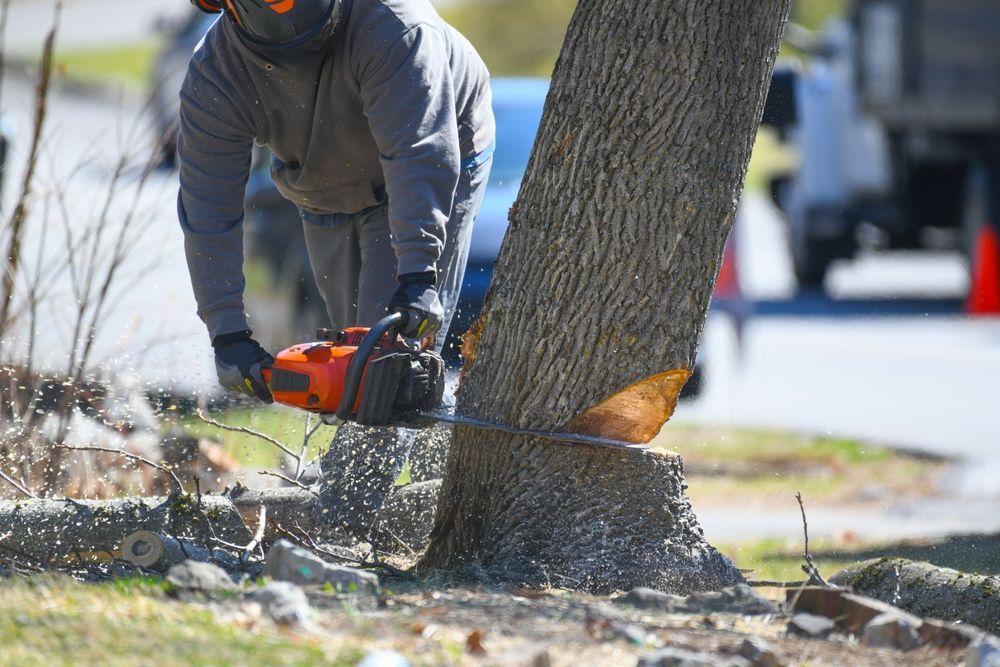
What Tree Removal Actually Accomplishes on Constrained Sites
Sectional removal—working from the top of the tree downward in controlled cuts—is frequently required on Aspen-area properties where a full directional fell would land on a structure, utility line, or steep drop. This method involves rigging individual sections so they descend in a controlled path rather than free-falling, which requires both rigging competency and a clear plan for where each section will land. Debris processing and hauling are completed as part of the removal scope, including wood sections too large to chip on site.
Once removal is complete, you will notice the immediate structural risk the tree posed—whether from branch failure over a roofline or root destabilization on a slope—is no longer present. Stump removal is available as a separate scope item; stumps left in place on slope properties can continue to affect drainage and create tripping hazards depending on their location relative to walkways and grade transitions.
Stump grinding depth and lateral spread depend on root system size and the planned future use of that ground area—surface-level grinding differs from deeper removal required before replanting or hardscape installation. These options are reviewed during the assessment so the removal scope is matched to what you intend to do with the site afterward.
What Property Owners Usually Ask About Tree Removal
Tree removal on mountain properties raises practical questions about access, method, and what happens after the tree is down. The following covers the decisions most commonly discussed before work begins on Aspen-area sites.
How does slope terrain affect how a tree gets removed?
On a sloped lot, felling direction is constrained by what's downhill—if the natural fall zone includes a structure or a steep drop, sectional removal with rigging is used to control where each piece lands rather than relying on a single directional fell.
What happens during the initial site assessment before removal?
The crew evaluates equipment access, overhead utility proximity, root zone stability, and the specific hazards the tree presents, which together determine the safest removal method for that location.
Why does proximity to structures in Aspen neighborhoods affect removal cost?
Tight clearances between trees and buildings require more controlled sectional work, additional rigging, and slower overall progression—each of those factors affects how long the job takes and what equipment is needed.
What are the stump removal options after the tree comes down?
Stump grinding removes the visible stump and surface root material to below grade; the depth required depends on whether the area will be replanted, landscaped, or left as open ground.
When is the right time to remove a tree that looks damaged but is still standing?
Trees showing significant deadwood in the upper crown, visible bark separation, or root heaving at the base should be assessed before a major storm season rather than after, as failure under snow load is unpredictable.
Marquez Maintenance LLC handles removals across Aspen and surrounding communities, with crew experience specific to the slope and clearance conditions that define mountain property work. To set up an assessment and review removal options for your site, call (970) 456-5100.